If you’ve ever walked into a professional automotive repair shop, furniture refinishing facility, or aerospace parts fabrication plant and noticed a large, filtered enclosure where paint is applied without drift drifting across the shop, you’ve seen a spray painting booth—and you’ve witnessed environmental regulations at work, in action. I’m a spray painting booth supplier, and over the 12 years I’ve been in this industry, I’ve talked to hundreds of shop owners, facility managers, and compliance officers who’ve asked the same question: What exactly are the environmental regulations for spray painting booths, and how do they keep my operations both compliant and sustainable? The answer isn’t just a list of rules; it’s a framework designed to protect air quality, reduce toxic waste, and ensure businesses can operate without harming communities or ecosystems. Let’s break this down, from global standards to local requirements, and why partnering with a knowledgeable supplier makes all the difference. Spray Painting Booth
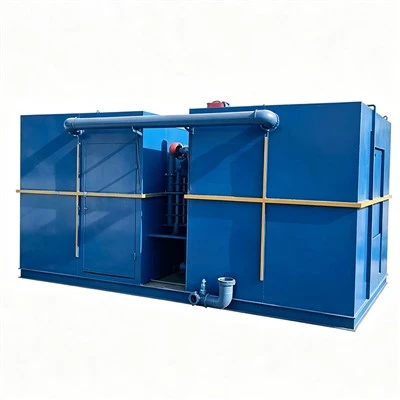
First, it’s important to understand why spray painting booths have regulations in the first place. Traditional spray painting releases volatile organic compounds (VOCs), hazardous air pollutants (HAPs), and excess overspray that can contaminate the air, water, and even finished products if not controlled. The U.S. Environmental Protection Agency (EPA), the European Chemicals Agency (ECHA), and regional bodies like California’s Air Resources Board (CARB) have all set rules to limit these emissions. For small and medium-sized businesses, it’s easy to feel overwhelmed by the layers of regulations—so let’s start with the core federal (or national) standards most operations must follow.
In the U.S., the Clean Air Act (CAA) is the foundational law governing spray painting booths. The EPA’s National Emission Standards for Hazardous Air Pollutants (NESHAP) for surface coating operations, also known as the “Surface Coating Rule,” sets specific limits for VOCs and HAPs emitted by spray booths. For automotive repair and refinishing, for example, the rule requires that booths use low-VOC paints or have emission control systems like thermal oxidizers or water-based filtration to cut emissions. Many state and local agencies adopt stricter rules than the federal baseline—California, for instance, mandates that all automotive spray booths meet a 0.6 pounds of VOCs per gallon of paint solids limit, far lower than the federal 1.0 pounds per gallon standard.
Then there’s the National Fire Protection Association (NFPA), whose NFPA 33 standard for spray application and coating processes is often cited alongside environmental rules. While NFPA 33 is technically a fire and life safety standard, it’s inextricably linked to environmental compliance because it requires booths to have proper ventilation to prevent flammable fumes from building up—and fumes are directly tied to VOC emissions. I’ve seen too many businesses cut corners on ventilation to save money, only to face fines for both safety violations and excess emissions. A good spray painting booth supplier doesn’t just sell equipment; they design systems that meet both NFPA 33 and environmental standards, so you don’t have to juggle multiple compliance tasks on your own.
Across the Atlantic, ECHA’s Regulation on Registration, Evaluation, Authorization, and Restriction of Chemicals (REACH) sets limits on hazardous substances in paints and coatings, while the EU’s Industrial Emissions Directive (IED) requires large-scale spray painting operations to install best available techniques (BAT) to minimize emissions. For small workshops in the EU, there are also simplified rules, but any operation spraying more than 50 kilograms of paint per year must undergo regular emissions testing. What’s interesting is that many of these standards align with U.S. CARB rules, so if you operate across international borders, choosing a booth built to meet both can save you from costly retrofits later.
One area that’s often overlooked is air quality monitoring and record-keeping. Most regulations require businesses to maintain logs of emissions testing, booth maintenance, and paint usage. For example, the EPA’s NESHAP requires annual emissions testing for spray booths that process over 10,000 gallons of paint annually, while smaller shops may only need biennial testing. These records aren’t just for compliance—they also help you identify inefficiencies in your booth, like clogged filters that cause excess overspray and wasted paint, which in turn reduces your environmental footprint and cuts your operational costs. That’s a win-win I always emphasize to customers: investing in a compliant booth isn’t just a regulatory obligation; it’s a smart business move.
Water is another key component of spray painting booth regulations, especially for systems that use wet filtration to capture overspray. In many regions, wastewater from booths is considered industrial discharge, so it must be treated before being released into municipal sewer systems or natural waterways. The EPA’s Clean Water Act (CWA) sets limits on heavy metals and volatile solids in this wastewater, and some local agencies require businesses to install oil-water separators or bio-treatment systems to remove contaminants. A reliable spray painting booth supplier will not only provide the filtration equipment but also guide you on local wastewater requirements, helping you avoid fines for improper disposal. For example, some shops make the mistake of draining untreated water into the sewer, which can lead to thousands of dollars in penalties—penalties that could have been avoided with a properly designed booth.
It’s also important to note that regulations are not one-size-fits-all. A furniture manufacturing shop spraying large, solid wood pieces will have different requirements than a small body shop spraying passenger cars. Some regions have specific rules for aerospace spray booths, which often handle high-performance coatings with higher VOC levels, while hobbyist or educational workshops may qualify for exemptions. That’s why it’s critical to work with a supplier who stays up-to-date on the latest local, state, and national regulations. I’ve had customers come to me after buying a cheap, generic booth online, only to find it doesn’t meet their city’s emission limits—leaving them stuck with equipment they can’t use. By partnering with a supplier who understands the regulatory landscape, you can avoid that costly mistake.
Now, let’s talk about how regulations are evolving. In recent years, there’s been a push toward more sustainable spray painting practices, with many regions offering incentives for businesses to switch to water-based paints or install energy-efficient emission control systems. For example, the EPA’s Sustainable Materials Management program offers tax credits for shops that reduce VOC emissions by 50% or more, while some EU countries provide grants for upgrading to low-emission booths. These incentives aren’t just good for the environment—they can offset the initial cost of a compliant booth, making it easier for small businesses to invest in the right equipment. As a supplier, I make sure all our booth models are eligible for these incentives, so my customers can maximize their savings while staying compliant.
Another emerging trend is the adoption of digital monitoring in spray painting booths. Many new regulations now allow for continuous emissions monitoring systems (CEMS) instead of periodic testing, which can provide real-time data on VOC and HAP levels. These systems not only make compliance easier but also help you identify issues before they lead to non-compliance. For example, a CEMS will alert you if your filters are clogged, so you can replace them before emissions spike. A good spray painting booth supplier will integrate these digital systems into their booth designs, giving you the tools to stay ahead of regulatory changes.
Of course, no discussion of environmental regulations for spray painting booths would be complete without addressing common compliance pitfalls. One of the biggest mistakes I see is businesses using spray booths for processes they’re not designed for—like using a paint booth for powder coating or sandblasting, which can damage the filtration system and release more emissions. Another pitfall is failing to conduct regular maintenance on booths, which can lead to reduced filtration efficiency and non-compliant emissions. Regulations often require specific maintenance schedules, like changing filters every 3 to 6 months, depending on usage, and keeping detailed records of those changes. A reliable supplier will provide a maintenance manual and regular check-ins to ensure your booth stays in compliance.
If you’re a shop owner, facility manager, or compliance officer who’s tired of navigating the complex world of spray painting booth regulations, you don’t have to go it alone. At the core of my work as a spray painting booth supplier is the goal to help businesses not just meet regulations, but thrive in a way that’s good for the environment. Whether you’re setting up a new shop, upgrading an old booth, or expanding your operations, I can help you design a system that meets all local, state, and national environmental standards, while also improving your efficiency, reducing waste, and saving money on long-term operational costs.

I’d love to talk through your specific needs and make sure you get a spray painting booth that’s compliant, reliable, and tailored to your operations. Don’t let regulatory uncertainty hold your business back—reach out to discuss your requirements, explore compliant solutions, and start building a more sustainable future for your shop.
Grinding Table References:
- U.S. Environmental Protection Agency. “National Emission Standards for Hazardous Air Pollutants: Surface Coating Operations.” Code of Federal Regulations, 40 CFR Part 63, Subpart HHHHHH, 2022.
- California Air Resources Board. “Automotive Refinishing Low-VOC Coating Requirements.” California Code of Regulations, Title 17, Section 94500, 2021.
- National Fire Protection Association. “Standard for Spray Application Using Flammable or Combustible Materials.” NFPA 33, 2023 Edition.
- European Chemicals Agency. “REACH Regulation on Registration, Evaluation, Authorization, and Restriction of Chemicals.” Regulation (EC) No 1907/2006, 2022 Update.
- U.S. Environmental Protection Agency. “Clean Water Act: National Pollutant Discharge Elimination System (NPDES) Permits for Industrial Facilities.” EPA 833-R-19-001, 2019.
Ningbo Jialong Energy-saving and Environmental Protection Technology Co., Ltd.
As one of the most professional spray painting booth manufacturers and suppliers in China, we also support customized service. We warmly welcome to buy advanced spray painting booth in stock here from our factory. If you have any enquiry about quotation, please feel free to email us.
Address: Dong Village, Dongwu Town, Yinzhou District, Ningbo City, Zhejiang Province (No.63 Zhennan Road, Dongwu Town)
E-mail: Lin.cx@nb-jalo.com
WebSite: https://www.cnjialong.com/
