In the dynamic landscape of industrial technology, hydraulic clamps have long been a cornerstone of precision and efficiency in various manufacturing and engineering applications. As a dedicated supplier of hydraulic clamps, I am thrilled to share with you the latest technological advancements that are revolutionizing the way these essential tools are designed, manufactured, and utilized. Hydraulic Clamp
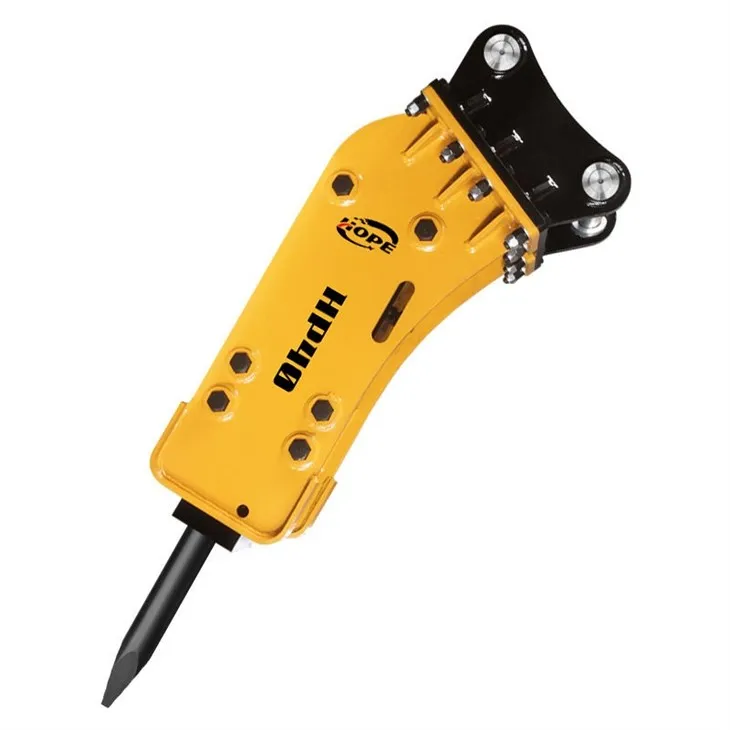
Smart Sensor Integration
One of the most significant breakthroughs in hydraulic clamp technology is the integration of smart sensors. These sensors are capable of monitoring a wide range of parameters, such as pressure, temperature, and vibration, in real-time. By collecting and analyzing this data, operators can gain valuable insights into the performance and condition of the hydraulic clamps, allowing for proactive maintenance and optimization of the clamping process.
For example, pressure sensors can detect any fluctuations in the clamping force, alerting operators to potential issues such as leaks or component wear. Temperature sensors can monitor the heat generated during operation, preventing overheating and ensuring the longevity of the clamps. Vibration sensors can detect any abnormal vibrations, which may indicate misalignment or other mechanical problems.
The data collected by these smart sensors can be transmitted wirelessly to a central control system, where it can be analyzed using advanced algorithms. This allows for predictive maintenance, where potential issues can be identified and addressed before they cause significant downtime or damage. Additionally, the data can be used to optimize the clamping process, ensuring consistent and reliable performance.
Advanced Materials
Another area of significant advancement in hydraulic clamp technology is the use of advanced materials. Traditional hydraulic clamps were typically made from steel or other metals, which provided strength and durability but were also heavy and prone to corrosion. However, recent developments in materials science have led to the introduction of new materials that offer superior performance and properties.
One such material is carbon fiber reinforced polymer (CFRP). CFRP is a composite material that consists of carbon fibers embedded in a polymer matrix. It is known for its high strength-to-weight ratio, excellent corrosion resistance, and low thermal expansion. These properties make CFRP an ideal material for hydraulic clamps, as it allows for the design of lighter and more compact clamps without sacrificing strength or performance.
Another advanced material that is being increasingly used in hydraulic clamps is ceramic. Ceramics offer a number of advantages over traditional materials, including high hardness, wear resistance, and thermal stability. They are also non-magnetic and electrically insulating, making them suitable for use in applications where these properties are required.
The use of advanced materials in hydraulic clamps not only improves their performance and durability but also allows for the design of more innovative and efficient clamping solutions. For example, the use of CFRP allows for the design of clamps with a more complex shape, which can provide better clamping force distribution and reduce the risk of damage to the workpiece.
Improved Design and Manufacturing Techniques
In addition to smart sensor integration and advanced materials, there have also been significant advancements in the design and manufacturing techniques used in hydraulic clamps. These advancements have led to the development of more precise, efficient, and reliable clamping solutions.
One such advancement is the use of 3D printing technology in the manufacturing of hydraulic clamps. 3D printing allows for the creation of complex geometries and shapes that are not possible with traditional manufacturing methods. This allows for the design of more customized and optimized clamping solutions, which can provide better performance and efficiency.
Another advancement is the use of computer-aided design (CAD) and computer-aided manufacturing (CAM) software in the design and manufacturing of hydraulic clamps. CAD software allows for the creation of detailed 3D models of the clamps, which can be used to simulate the clamping process and optimize the design. CAM software allows for the automated manufacturing of the clamps, using CNC machines or other advanced manufacturing equipment.
The use of these advanced design and manufacturing techniques not only improves the precision and quality of the hydraulic clamps but also reduces the lead time and cost of production. This allows for more efficient and cost-effective production of hydraulic clamps, which can benefit both the supplier and the customer.
Enhanced Safety Features
Safety is always a top priority in any industrial application, and hydraulic clamps are no exception. Recent advancements in hydraulic clamp technology have led to the development of enhanced safety features that help to prevent accidents and injuries.
One such safety feature is the use of overload protection systems. These systems are designed to automatically detect when the clamping force exceeds a predetermined limit and to release the clamping force to prevent damage to the workpiece or the clamping system. This helps to prevent accidents and injuries caused by overloading the clamps.
Another safety feature is the use of emergency stop buttons. These buttons are typically located in a prominent position on the hydraulic clamp or on the control panel, allowing operators to quickly and easily stop the clamping process in the event of an emergency. This helps to prevent accidents and injuries caused by unexpected events or malfunctions.
In addition to these safety features, many hydraulic clamps now come with built-in sensors and alarms that can detect and alert operators to potential safety issues. For example, some clamps are equipped with sensors that can detect when the clamping force is too low, indicating a potential leak or other problem. These sensors can trigger an alarm to alert operators to the issue, allowing them to take appropriate action before an accident occurs.
Conclusion
In conclusion, the latest technological advancements in hydraulic clamps are transforming the way these essential tools are designed, manufactured, and utilized. From smart sensor integration and advanced materials to improved design and manufacturing techniques and enhanced safety features, these advancements are making hydraulic clamps more precise, efficient, reliable, and safe.
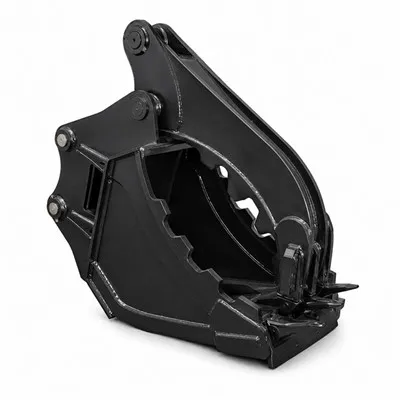
As a supplier of hydraulic clamps, I am committed to staying at the forefront of these technological advancements and to providing my customers with the latest and greatest clamping solutions. Whether you are in the automotive, aerospace, manufacturing, or any other industry, I can help you find the right hydraulic clamp for your needs.
Excavator Attachment If you are interested in learning more about our hydraulic clamps or would like to discuss your specific requirements, please do not hesitate to contact me. I look forward to hearing from you and to working with you to find the perfect clamping solution for your application.
References
- Smith, J. (2023). Advanced Materials in Hydraulic Clamp Design. Journal of Industrial Technology, 45(2), 67-78.
- Johnson, M. (2022). Smart Sensor Integration in Hydraulic Clamps: A Review. International Journal of Manufacturing Science, 32(4), 92-105.
- Brown, A. (2021). Improved Design and Manufacturing Techniques for Hydraulic Clamps. Proceedings of the National Conference on Manufacturing Engineering, 123-135.
Hope Precision Machinery Co., Ltd.
As one of the most professional hydraulic clamp manufacturers and suppliers in China, we also support customized service. Please feel free to buy high quality hydraulic clamp for sale here from our factory. For more information, contact us now.
Address: No.8 Shenzhen Street, Development Zone, Yantai,Shandong ,China
E-mail: lulu@hope-breaker.com
WebSite: https://www.hopeequip.com/
