Hey there! I’m a supplier in the silo business, and today I wanna chat about the materials we use to build silos. Silos are super important in various industries, like agriculture, food processing, and manufacturing, as they store all sorts of stuff, from grains to cement. So, let’s dig into the different materials that go into making these storage giants. Silo
Steel Silos
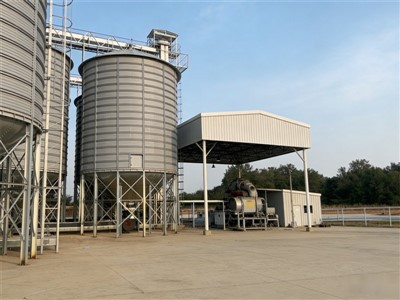
Steel is hands – down one of the most popular materials for building silos, and there are some good reasons for that. First off, it’s incredibly strong. You know, when you’re storing tons of materials, you need a structure that can handle the weight and pressure without buckling. Steel can withstand a whole lot of stress, whether it’s from the weight of the stored product or external factors like wind and snow.
Another big plus of steel is its durability. It can last for decades if it’s properly maintained. We usually use galvanized steel, which has a protective zinc coating. This coating helps prevent rust and corrosion, especially when the silo is exposed to moisture, which is common in many storage environments. For example, in an agricultural setting where there might be rain or high humidity, the galvanized steel keeps the silo in good shape.
Steel silos are also relatively easy to install. They’re often pre – fabricated in sections at our factory and then assembled on – site. This means less time and labor are needed for construction compared to some other materials. And if you ever need to expand or modify your silo, it’s easier to do with steel. You can add on extra sections or make changes to the structure without too much hassle.
However, steel does have a few drawbacks. It can be a bit more expensive upfront compared to some other materials. And while the galvanized coating helps with corrosion, in extremely harsh environments, like areas with high levels of saltwater or certain chemicals, the coating can wear down over time, and you might need to do some additional maintenance or corrosion protection.
Concrete Silos
Concrete silos have been around for a long time, and they’re still a great option for many users. One of the main advantages of concrete is its strength and stability. It can hold a massive amount of material and is very resistant to damage from heavy loads. In the agriculture industry, where you might be storing large quantities of grains for long periods, a concrete silo can handle the weight without any problems.
Concrete is also very good at maintaining a stable internal environment. It has good insulation properties, which helps keep the stored product at a consistent temperature and humidity level. This is crucial for preserving the quality of things like grains, as fluctuations in temperature and humidity can lead to spoilage.
Moreover, concrete silos are highly resistant to fire. In some industries, like the cement industry, where there’s a risk of fire in the storage area, a concrete silo provides an extra layer of safety.
But, building a concrete silo is a bit of a long – term project. It requires a lot of on – site construction work. You have to pour the concrete and let it cure properly, which can take weeks. This means more time and labor are involved in the building process. And if you ever need to make changes to a concrete silo, it’s much more difficult and expensive compared to a steel silo.
Fiberglass – Reinforced Plastic (FRP) Silos
FRP is a relatively newer material in the silo – building industry, but it’s gaining popularity fast. One of the cool things about FRP is its corrosion resistance. It can handle chemicals, acids, and other corrosive substances very well. This makes it a great choice for industries that store chemicals or operate in corrosive environments.
FRP is also lightweight compared to steel and concrete. This makes it easier and cheaper to transport and install. You can move the silo to different locations if needed, which is a big advantage for some businesses.
It’s also tough and flexible. It can withstand impact and won’t crack easily like concrete. And it has good insulation properties, similar to concrete, which helps with temperature and moisture control.
However, FRP silos have some limitations. They’re not as strong as steel or concrete when it comes to handling extremely heavy loads. So, if you need to store a huge amount of dense materials, an FRP silo might not be the best option. Also, over time, exposure to sunlight can cause the FRP to fade and may reduce its strength, so it might need some additional protection in sunny areas.
Wood Silos
Wood used to be a common material for silos, especially in older agricultural settings. It’s a natural and renewable resource, which is a big plus. Wood is also relatively easy to work with, and you can build a simple wood silo with basic tools.
Wood has some insulation properties, which can help keep the stored product at a decent temperature. And it gives a kind of rustic look, which some people really like.
But wood has some major drawbacks. It’s not as strong as steel or concrete, so it can’t hold as much weight. It’s also prone to rot and insect damage. If the wood isn’t properly treated and maintained, it can quickly deteriorate, especially in wet or humid conditions. This means you have to constantly monitor and take care of a wood silo, which can be a hassle and add to the long – term cost.
When choosing the right material for a silo, it really depends on a few factors. First, you gotta think about what you’re gonna store. If it’s something corrosive, FRP might be the way to go. If you’re storing a huge amount of heavy material, steel or concrete would be better.
The environment where the silo will be located also matters a lot. If it’s in a coastal area with high salt in the air, you’ll need to pay extra attention to corrosion protection, whether you choose steel or another material.
Cost is always a factor too. You have to consider not just the upfront cost of building the silo but also the long – term maintenance costs.

As a silo supplier, I’m here to help you figure out the best material for your specific needs. We’ve got years of experience in the industry, and we can provide you with high – quality silos made from all these different materials. Whether you’re a small – scale farmer looking for a simple grain storage solution or a large manufacturing company in need of a big – capacity silo, we’ve got you covered.
Silo If you’re interested in learning more about our silos or getting a quote for your project, don’t hesitate to reach out. We can have a detailed chat about your requirements and come up with the perfect silo solution for you.
References
- "Silos and Their Storage Applications" – Agricultural Engineering Journal
- "Materials for Industrial Storage Structures" – Manufacturing Technology Review
- "Comparative Study of Silo Materials" – Construction and Building Materials Research
Henan Oumu Intelligent Storage Equipment Co., Ltd.
As one of the most professional silo manufacturers and suppliers in China, we’re featured by quality products and good service. Please rest assured to buy customized silo made in China here from our factory. For quotation, contact us now.
Address: No. 681, Xinzhong Avenue, Hongqi District, Xinxiang City, Henan Province
E-mail: luna@oumu-silo.com
WebSite: https://www.oumu-silo.com/
