Hey there, folks! I’m a supplier of U Drills, and I’m stoked to share some insights on how to lubricate these awesome tools. Whether you’re a seasoned pro or just getting started in the machining world, proper lubrication is key to keeping your U Drills in tip – top shape and getting the best results. U Drills
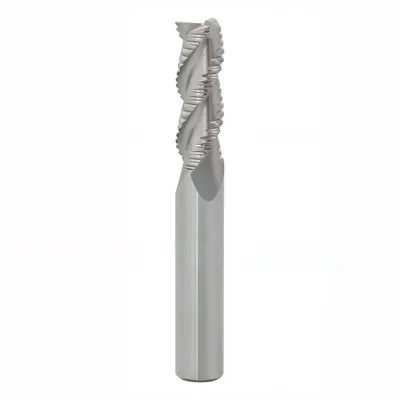
Why Lubrication Matters for U Drills
Let’s kick things off by talking about why lubrication is so important for U Drills. You see, when you’re using a U Drill to cut through various materials like metal, there’s a whole lot of friction going on. That friction generates heat, and too much heat can spell trouble. It can cause the drill bit to wear out faster, making it less accurate and potentially ruining your workpiece.
Lubrication helps to reduce that friction. It acts like a shield between the drill bit and the material you’re cutting, allowing the drill to glide through more smoothly. This not only extends the life of your U Drill but also improves the quality of the holes you’re drilling. You’ll get cleaner, more precise holes with less burring, which is a huge plus in any machining job.
Types of Lubricants
There are a few different types of lubricants you can use for U Drills, and each has its own pros and cons.
Coolants
Coolants are probably the most common type of lubricant used in machining. They come in two main varieties: water – based and oil – based.
Water – based coolants are great because they’re relatively inexpensive and they do a fantastic job of cooling the drill bit. They also have good anti – corrosion properties, which is important if you’re using your U Drill in a humid environment or on materials that are prone to rusting. However, they do need to be monitored regularly because they can develop bacteria over time, which can cause a funky smell and potentially damage your equipment.
Oil – based coolants, on the other hand, offer excellent lubrication. They can handle high – speed machining and heavy – duty cutting better than water – based coolants. But they’re more expensive, and they can be a bit messier to work with. Also, they’re not as good at dissipating heat as water – based coolants.
Cutting Oils
Cutting oils are another option. These are pure oils that are specifically formulated for machining operations. They provide superior lubrication, which is great for getting a high – quality finish on your holes. They’re also very effective at reducing tool wear. However, they can be flammable, so you need to take proper safety precautions when using them. And like oil – based coolants, they can be a bit of a hassle to clean up.
Dry Lubricants
Dry lubricants, such as graphite or molybdenum disulfide, are a good choice for some applications. They’re great for situations where you don’t want a wet lubricant, like in a cleanroom environment or when you’re working with materials that are sensitive to moisture. Dry lubricants work by creating a thin film on the surface of the drill bit, which reduces friction. But they don’t offer the same level of cooling as coolants or cutting oils.
How to Apply Lubricants
Now that we’ve talked about the different types of lubricants, let’s get into how to apply them to your U Drills.
Flood Lubrication
Flood lubrication is one of the most common methods. With this method, you use a pump to deliver a continuous stream of lubricant directly to the cutting area. The lubricant floods the area around the drill bit, providing both cooling and lubrication. This is a great method for high – volume machining, as it ensures that the drill bit stays cool and lubricated at all times.
To set up flood lubrication, you’ll need a coolant tank, a pump, and some hoses. Make sure the hoses are positioned so that the lubricant is hitting the drill bit at the right angle. You may need to experiment a bit to find the best position.
Mist Lubrication
Mist lubrication is another option. With this method, the lubricant is turned into a fine mist and sprayed onto the cutting area. Mist lubrication uses less lubricant than flood lubrication, which is great for reducing costs and minimizing mess. It’s also a good option for applications where you don’t want a large amount of lubricant pooling around the workpiece.
To use mist lubrication, you’ll need a misting system. These systems usually consist of a reservoir, a pump, and a nozzle. You can adjust the flow rate and droplet size of the mist to suit your specific needs.
Tool – Integrated Lubrication
Some U Drills come with built – in lubrication channels. These channels allow the lubricant to be delivered directly to the cutting edge of the drill bit. Tool – integrated lubrication is very efficient because it ensures that the lubricant gets to where it’s needed most. It can also improve chip evacuation, which is important for preventing chip clogging and improving the quality of the holes.
If you have U Drills with tool – integrated lubrication, make sure you have a compatible lubrication system. You’ll need to connect the drill to the lubrication system and set the flow rate according to the manufacturer’s recommendations.
Maintenance and Monitoring
Once you’ve got your lubrication system set up, it’s important to maintain and monitor it regularly.
Checking the Lubricant Level
For flood lubrication systems, you need to check the lubricant level in the coolant tank regularly. If the level gets too low, the pump may start to draw in air, which can damage the pump and reduce the effectiveness of the lubrication. Make sure to top up the lubricant as needed.
Monitoring the Quality of the Lubricant
For water – based coolants, you need to monitor the quality of the coolant regularly. Check for signs of contamination, such as bacteria growth or the presence of debris. You can use test strips to check the pH level and concentration of the coolant. If the coolant is contaminated or the pH level is off, you may need to change the coolant.
Inspecting the Lubrication System
Inspect the hoses, nozzles, and pumps in your lubrication system regularly for any signs of damage or wear. If you notice any leaks or blockages, fix them as soon as possible. A faulty lubrication system can lead to poor lubrication, which can damage your U Drills and affect the quality of your work.
Conclusion
Well, there you have it, folks! That’s my guide on how to lubricate U Drills. Proper lubrication is essential for getting the most out of your U Drills, whether it’s extending their lifespan, improving the quality of your holes, or just making your machining jobs easier.
U Drills If you’re in the market for high – quality U Drills or have any questions about lubrication, don’t hesitate to reach out. We’re here to help you find the best solutions for your machining needs. Let’s start a conversation and see how we can work together to take your projects to the next level.
References
- "Machining Handbook" by Industrial Press Inc.
- "Cutting Tool Engineering" magazine articles on drill lubrication.
- Manufacturer’s manuals for U Drills and lubrication systems.
Small Craftsman (Shandong) Machine & Tools Co., Ltd.
Small Craftsman (Shandong) Machine & Tools Co., Ltd. is one of the most experienced u drills manufacturers and suppliers in China, also supports customized service with low price. Please feel free to buy bulk high quality u drills in stock here from our factory. Contact us for pricelist.
Address: No.9 Quanxin Rd., Sishui Economic Developing Zone, Jining, Shandong, China.
E-mail: 6196@ocutchina.com
WebSite: https://www.ocutooling.com/
