Can anti – static fabric be used in clean rooms?
As a supplier of anti – static fabric, I’ve often been asked whether our products can be used in clean rooms. This is a crucial question, considering the high – standards and specific requirements of clean room environments. In this blog, I’ll explore the feasibility and advantages of using anti – static fabric in clean rooms, based on scientific knowledge and practical experience. Anti-static Fabric

Understanding Clean Rooms
Clean rooms are specialized environments designed to control the concentration of airborne particles, temperature, humidity, and other environmental factors. They are commonly used in industries such as semiconductor manufacturing, pharmaceuticals, biotechnology, and aerospace. The level of cleanliness in a clean room is classified according to the number of particles per cubic meter of air at a specified particle size. For example, a Class 100 clean room allows no more than 100 particles of 0.5 micrometers or larger per cubic foot of air.
The strict control of particles is essential in these industries. In semiconductor manufacturing, even a single particle can cause defects in microchips, leading to product failure. In the pharmaceutical industry, particle contamination can compromise the safety and efficacy of drugs. Therefore, any materials used in clean rooms must meet stringent requirements to minimize particle generation and release.
The Problem of Static Electricity in Clean Rooms
Static electricity is a significant concern in clean rooms. When two materials come into contact and then separate, electrons can be transferred from one material to the other, creating an electrostatic charge. This charge can attract and hold airborne particles, increasing the risk of contamination in the clean room environment. Additionally, static discharges can cause damage to sensitive electronic components and disrupt equipment operation.
For instance, in semiconductor fabrication, static discharges can cause irreversible damage to integrated circuits, leading to significant financial losses. In the pharmaceutical industry, static electricity can cause powders to clump together, affecting the uniformity of drug formulations.
How Anti – static Fabric Works
Anti – static fabric is designed to prevent the build – up of static electricity. There are several mechanisms by which anti – static fabrics achieve this. One common approach is to incorporate conductive fibers into the fabric. These conductive fibers, such as carbon fibers or metallic fibers, provide a path for the electrons to move, allowing the static charge to dissipate.
Another method is to apply an anti – static finish to the fabric. This finish contains chemicals that reduce the surface resistivity of the fabric, making it easier for the static charge to flow away. The anti – static finish can also attract moisture from the air, which helps to conduct the charge.
By preventing the build – up of static electricity, anti – static fabric reduces the attraction of airborne particles. This helps to maintain the cleanliness of the clean room environment and reduces the risk of particle contamination.
Advantages of Using Anti – static Fabric in Clean Rooms
There are several advantages of using anti – static fabric in clean rooms.
Particle Reduction
As mentioned earlier, anti – static fabric reduces the electrostatic charge on the surface, which in turn reduces the attraction of airborne particles. Our anti – static fabric is made with high – quality materials and advanced manufacturing processes, which minimize the generation of particles during movements. This is critical in clean rooms, where even the smallest particle can cause problems.
Comfort and Durability
In addition to its anti – static properties, our fabric is also designed for comfort and durability. Clean room operators often need to wear protective clothing for long periods, so the fabric must be breathable and comfortable to wear. Our anti – static fabric has excellent breathability, allowing air to circulate and reducing the feeling of heat and humidity. It is also highly durable, able to withstand frequent washing and disinfection, which is necessary to maintain cleanliness in the clean room.
Compatibility with Clean Room Processes
Our anti – static fabric is compatible with the various cleaning and disinfection processes used in clean rooms. It can withstand the use of common cleaning agents and disinfectants without losing its anti – static properties. This ensures that the fabric can maintain its performance over time and meet the strict requirements of clean room environments.
Testing and Certification
To ensure the quality and performance of our anti – static fabric in clean rooms, we conduct rigorous testing. We test the fabric for its anti – static properties, particle generation, and compatibility with clean room chemicals. Our products are also certified to meet international standards for clean room materials, such as ISO 14644, which specifies the requirements for clean rooms and associated controlled environments.
These certifications are important because they provide assurance to our customers that our anti – static fabric meets the highest standards of quality and performance. They also demonstrate our commitment to providing reliable products for clean room applications.
Case Studies
We have had many successful applications of our anti – static fabric in clean rooms around the world. For example, in a semiconductor manufacturing facility, our anti – static clothing was used by the operators. After the introduction of our fabric, the facility noticed a significant reduction in the number of particle – related defects in the microchips. This not only improved the product yield but also saved the company a substantial amount of money in terms of production costs.
In a pharmaceutical clean room, our anti – static curtains were installed to separate different work areas. The curtains effectively prevented the spread of static – related particle contamination, ensuring the quality and safety of the drug production process.
Conclusion
In conclusion, anti – static fabric can and should be used in clean rooms. Its ability to prevent static electricity build – up, reduce particle attraction, and provide comfort and durability makes it an ideal choice for clean room applications. As a reliable supplier of anti – static fabric, we are committed to providing high – quality products that meet the strict requirements of clean room environments.
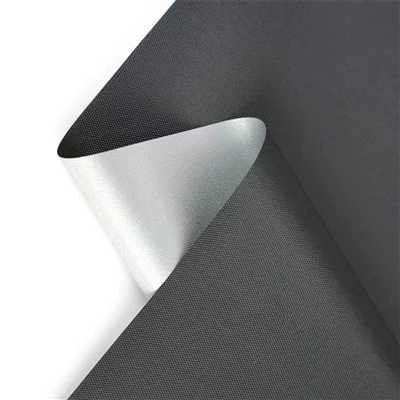
If you are in the market for anti – static fabric for your clean room, I encourage you to reach out to us. We can provide you with samples of our fabric for testing and offer customized solutions based on your specific needs. Let’s work together to create a safer and cleaner clean room environment.
Reflective Fabric References
- ISO 14644: Cleanrooms and associated controlled environments – Specification, design, construction and operation.
- Various research papers on static electricity control in clean room environments.
Wujiang Jiashunxin Spray Weaving Co., Ltd.
As one of the most professional anti-static fabric manufacturers and suppliers in China, we’re featured by quality products and good service. We warmly welcome you to wholesale bulk customized anti-static fabric from our factory. If you have any enquiry about free sample, please feel free to email us.
Address: Xingli New Village, Lili Town, Wujiang District, Suzhou City, Jiangsu Province
E-mail: xuzhiqiang20260525@163.com
WebSite: https://www.shunbangfabric.com/
