If you’re in the telecom or industrial infrastructure game, you’ve definitely heard the hype around non-metal dielectric (NMD) optical cables. They’re the go-to choice for sensitive areas—think hospitals, data centers near high-voltage power lines, or even sites with strict electromagnetic interference (EMI) rules, right? As a supplier who’s been in the trenches with these cables for 8 years now, I can tell you they’re not all smooth sailing. Sure, they’re lighter than metal-armored cables, immune to EMI, and way easier to pull through conduit in tight spots. But the maintenance headaches? Those are real, and they sneak up on you when you least expect them. Today I’m breaking down the biggest maintenance hurdles we run into, straight from the field (no corporate fluff, promise). Non-metal Dielectric Optical Cable
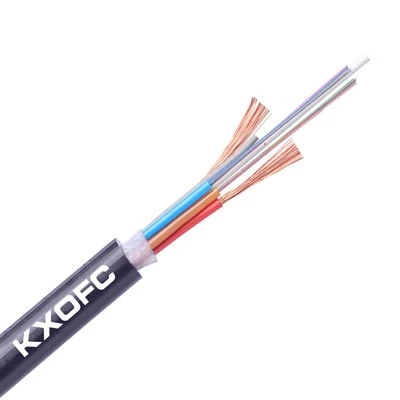
First off, let’s get one thing straight: NMD cables don’t have that steel or aluminum armor most people associate with durable cables. That sounds like a bonus until you realize how fragile the outer jacket is. I can’t tell you how many times our team has gotten a panicked call from a contractor who nicked the jacket during installation or maintenance—one tiny scratch, and the whole cable’s integrity is at risk. Wait, let’s clarify: not all NMD jackets are the same, but the standard ones use materials like LSZH (low smoke zero halogen) or polyurethane, which are flexible but way more prone to abrasion than metal armor. I remember a job last year at a downtown hospital expansion: a crew was pulling cable through a 90-degree elbow in a 4-inch conduit, and a sharp burr on the elbow’s edge sliced a 2-inch gash in the jacket. By the time we got there, water had seeped into the core of the cable, ruining 12 of the 24 fibers. That’s not just a delay—hospitals can’t afford network downtime, so that $500 cable turned into a $2,000 emergency service call and a 3-day project delay. Metal-armored cables would’ve shrugged off that burr, easy, but NMD? One tiny misstep and you’re back at square one.
Next up, UV degradation. This is a big one that a lot of new installers sleep on. If you’re running NMD cable outdoors, you can’t just leave it hanging in the sun like you might with a metal cable. The dielectric materials—fiber cores, buffer tubes, strength members (usually aramid yarn, right? Kevlar-based stuff)—break down when exposed to prolonged UV rays. I’ve seen cables installed in a neighborhood park project last summer that were only uncovered for 2 weeks during landscaping. By the time we came back to splice them, the outer jacket was brittle, flaking off in chunks, and the aramid strength members were so degraded they snapped when we tried to pull on them. Metal cables have a zinc or aluminum coating that blocks UV, but NMD? Their UV inhibitors only last so long—usually 5 to 7 years, max, if the cable is rated for direct burial outdoor use. Skimp on the rated cable, or leave it exposed even for a few months during construction, and you’re looking at premature fiber failure. That’s a maintenance nightmare waiting to happen, especially for suburban projects where no one checks on cable runs for years.
Then there’s the issue of rodent and pest damage. Wait, you might be thinking—rodents chewing cables is nothing new, right? Metal cables get chewed too. But here’s the catch: metal cables have that tough armor that makes them hard to gnaw through. NMD? The aramid strength members and the polymer buffer tubes taste like a nice, chewy snack to mice, rats, even squirrels. I had a client in a rural industrial park call me last winter because their fiber line to the main warehouse was down. Turns out a family of squirrels had nested in the conduit and chewed through 3 feet of the NMD cable. The metal armored backup line running 10 feet away was completely untouched—squirrels just couldn’t be bothered to gnaw through the steel. What’s worse, rodent urine and feces can also eat away at the dielectric materials over time, leading to jacket degradation way before UV would. I’ve seen contractors try to use rodent repellent tape on NMD cables, but that stuff only works for a year or two, and it can cause more abrasion during installation. Metal cables don’t need that hassle, so NMD’s pest vulnerability is a unique maintenance pain point.
Another underdiscussed issue is fiber identification during troubleshooting. Let’s be real—when you’re in a server room or a underground vault with 50 cables running through it, you need to quickly trace which one is the bad one. Metal cables are easy: you can clamp a tone generator to the metal strength member or the armor, and it’ll beep in your handset. NMD cables? They have no conductive parts for tone testing. Yeah, you can use an OTDR (optical time-domain reflectometer) to trace them, but that takes time—like, 10 extra minutes per cable, multiplied by 20 cables, that’s half an hour wasted when you’re on a clock. And if the cable labels are faded (which they always are after a few years of dust and heat), you’re stuck manually stripping the jacket to test fibers one by one. That’s not just annoying—when a data center is down, every minute costs thousands of dollars. I had a client last quarter who had a fiber outage in their colo facility, and their techs spent 2 hours tracing NMD cables because they couldn’t use tone generators. If they’d had metal cables, they would’ve fixed it in 20 minutes tops. That downtime isn’t just bad for business—it’s a maintenance overhead that no one plans for when they spec NMD cables.
Wait, let’s not forget about splicing challenges. Splicing NMD cables vs. metal-armored ones is night and day. Metal-armored cables have grounding conductors that make splicing a straightforward process—you strip the armor, ground it, then splice the fibers. NMD cables? You have to carefully separate the aramid strength members (they’re super fine, easy to fray) without damaging the buffer tubes, then make sure there’s no stray conductive material anywhere that could cause EMI. I’ve seen splicers nick buffer tubes while pulling aramids, leading to micro-cracks in the fibers that cause intermittent signal loss for months. Metal-armored splices are more forgiving because the armor acts as a buffer between harsh elements and the fiber core. Also, when you have to do a splice in a manhole or a vault, NMD splices require way more protection—you need special splice kits that are water-resistant and shield against any stray EMI from nearby power lines. Metal splice cases are pretty standard, but NMD-specific cases are more expensive and harder to source in a pinch. That means if you’re on a remote job site and run into a damaged cable, you might have to wait 2 days for a splice kit to show up, instead of grabbing a standard metal splice case from the local hardware store.
Oh, and EMI-related false alarms? Wait, hold on—NMD cables are supposed to be immune to EMI, right? Yeah, in theory. But if you have a bad splice, or a damaged jacket, that’s not the case. I had a client in a refinery (super high-EMI environment) who kept getting random signal drops on their NMD lines. We thought the cables were defective, until we did a full audit and found that a splicer had left a tiny piece of metal shavings from a metal conduit in the splice case. That one tiny piece of metal was picking up EMI from the refinery’s pumps, causing intermittent interference. With metal cables, that shavings would’ve been absorbed by the armor, but with NMD, it’s a disaster. So even though NMD is designed to avoid EMI, human error during maintenance or installation can completely undermine that benefit, and you’re left chasing phantom EMI issues that are super hard to diagnose.
Now, let’s be fair—NMD cables aren’t all bad. They’re perfect for places where metal cables would cause EMI issues, like near MRI machines, broadcast towers, or sensitive lab equipment. They’re lighter, easier to handle during installation, and cheaper upfront. But the maintenance stuff? It’s not something you can brush off. A lot of contractors and project managers spec NMD because of the upfront cost savings, and then end up paying way more in maintenance, emergency repairs, and downtime a few years down the line.

Here’s the thing, if you’re currently dealing with headaches from NMD cable maintenance—whether it’s persistent outages, damage from pests or UV, or frustrating troubleshooting—we’ve got the solutions. As an NMD optical cable supplier, we don’t just sell cables; we also provide on-site maintenance support, pre-emptive inspection plans, and specialized training for installers and techs to avoid those common mistakes that lead to costly repairs. If you’re looking to switch from metal cables to NMD, or if you’re dealing with existing NMD cable maintenance issues, let’s chat. We can walk through your project, help you pick the right cable type for your specific environment, and offer support to keep downtime to a minimum.
Optical Fiber References:
- Federal Communications Commission. (2021). Telecommunications Infrastructure Installation Best Practices for Non-Metal Optical Cables.
- International Electrotechnical Commission. (IEC 60794-1-2). Optical Fibre Cables – Part 1-2: Generic Specification – General and Guide for Use.
- National Electrical Manufacturers Association. (2022). Non-Metal Optical Cable Performance and Maintenance Guidelines.
- Fiber Optic Association. (2023). Troubleshooting Non-Conductive Optical Cable Systems for EMI and Physical Damage.
- Underwriters Laboratories. (UL 1666). Standard for Safety for Growth and Fire Resistance of Vertical Run of Cables.
Hangzhou Lin’an Kexin Optical Cable Co., Ltd.
As one of the most professional non-metal dielectric optical cable manufacturers and suppliers in China, we’re featured by quality products and good price. Please rest assured to wholesale discount non-metal dielectric optical cable made in China here and get pricelist from our factory. Customized orders are welcome.
Address: No. 28 Linglong Street,Lin’an Area, Hangzhou City, Zhejiang Province, China
E-mail: sales@kexincable.com
WebSite: https://www.kexincable.com/
