If you’ve ever wandered through an optical retail store and spotted a display case stacked with sleek, bold, or understated frames in every hue from matte navy to candy apple red, you might have wondered: How do brands pull off so many distinct colors without overhauling their entire production line? As a supplier of optical frame injection moulding machines, I get this question all the time—straight from small-batch opticians just starting out, and from large eyewear brands scaling up their color lines. The short answer is yes, optical frame injection moulding machines absolutely can produce different frame colors— but there’s a lot more nuance to it than just dumping dye into the resin mid-process. Let me walk you through how this works, what works (and what doesn’t), and why it matters for your bottom line. Optical Frame Injection Moulding Machine
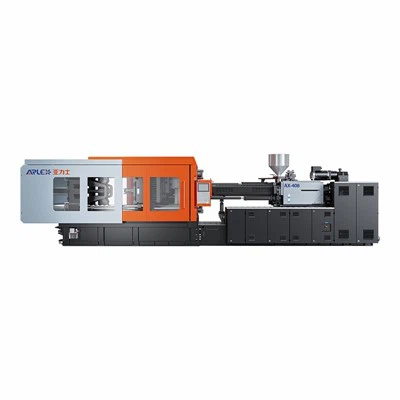
First, let’s get clear on the core process of injection moulding for optical frames, because that’s the foundation. Optical frames are almost always made from thermoplastics materials like polycarbonate, TR-90 (a flexible, lightweight thermoplastic polyurethane blend), or acetate—all of which are moldable when heated and harden into a rigid, durable shape when cooled. The machine’s job is simple in theory: heat the resin into a molten state, inject it under high pressure into a custom-designed mold cavity shaped like your frame, cool it, and eject the finished frame. That cavity is specific to a frame style, but color is a separate variable that we control right at the material mixing stage.
The biggest misconception I hear is that you have to buy a whole new machine just to switch colors. That’s not true at all. Our standard optical frame injection moulding machines are built to handle color changes with minimal downtime, which is a huge win for brands that want to offer a range of colors without slowing production. Let’s break down the two primary methods of coloring frames with injection moulding, because they each serve different needs.
The first, and most common, is compounding color directly into the resin before it’s loaded into the machine’s hopper. Compounded resin is thermoplastic that’s already pre-mixed with pigment, masterbatch, or dye during the manufacturing process. When you buy pre-compounded polycarbonate in black, for example, that’s resin that’s been blended with carbon black pigment in a controlled environment to ensure uniform color. Here’s how it works for a brand producing multiple colors: you keep a stock of pre-compounded resin in whatever hues you offer—matte white, tortoiseshell, translucent blue, etc.—and when you want to switch to a new color, you empty the machine’s hopper and feed in the new resin. Most modern injection moulding machines have a quick-change hopper system, so that swap takes 10 to 15 minutes, tops, as long as you’ve got your pre-compounded materials ready to go.
This method is ideal for consistent, large-run productions. If you’re making 10,000 navy blue frames this month and 8,000 silver frames next, pre-compounded resin gives you flawless, repeatable color. The pigment is evenly distributed throughout the resin, so the color doesn’t chip or fade at the surface only—unlike painting or coating frames after moulding, which is a separate step that adds time and risk of unevenness. That’s a big advantage for optical frames, which need to look crisp and uniform; a client once told me they tried post-mould painting for their kids’ line, and 12% of frames came out with streaks, leading to 200 returned units. Compounded color eliminates that problem because color is part of the material itself.
The second method, masterbatch coloring, is more flexible for brands that want to test new colors without holding large amounts of pre-compounded inventory. Masterbatch is a concentrated blend of pigment and carrier resin, and you add a small percentage of it to natural (uncolored) resin directly in the machine’s processing unit. For example, if you start with natural TR-90, you can mix in 2% red masterbatch to get a standard red frame, or 5% to get a deeper burgundy, just by adjusting how much masterbatch you add. This is perfect for small-batch runs, like launching a limited-edition collection with 500 units of each color, or for custom orders where a customer wants a one-off frame in a specific hue.
I’ve worked with a small independent eyewear brand that uses masterbatch exclusively. They only keep natural TR-90 on hand, and they test new colors by mixing different masterbatch ratios on the fly. When they get a last-minute order for 300 olive green frames, they just grab their green masterbatch, adjust the mixing ratio, and run the job—no need to order and store four different pre-compounded resins for small runs. The catch here is that you have to be precise with your mixing, because too much masterbatch can weaken the resin or cause uneven color, and too little won’t give you the shade you want. Our machines have built-in gravimetric mixing systems that automatically measure and blend masterbatch and natural resin, so you don’t have to worry about human error here. That’s a key upgrade we offer: without automated mixing, switching colors this way would lead to inconsistent results.
Now, let’s talk about the caveats, because it’s not all smooth sailing. First, not all colors work equally well with all thermoplastics. Translucent colors, for example, are much easier to achieve with polycarbonate than with TR-90, which is slightly opaque. Tortoiseshell patterns, which are super popular for eyewear, are a bit trickier—they require mixing different pigmented resins or masterbatches to get that marbled effect, and that needs a machine that can handle multiple color streams. Some older injection moulding machines only have one hopper, so they can’t mix two colors mid-run, which is why we recommend machines with two or three hoppers for brands that want to do multi-color patterns.
Another thing to consider is color consistency across runs. If you produce 1,000 frames in rose pink resin in January, you want the next run in February to be the exact same shade. That’s where pre-compounded resin has an edge over masterbatch, because masterbatch batches can have slight variations in pigment concentration. We recommend keeping color formulas on file if you use masterbatch, and calibrating your machine’s mixing system each time you switch—most of our clients build a log of their ratios so they can replicate a exact color down the line. I’ve had a client who wanted to re-order 2,000 coral frames a year after their first run, and they were able to pull their old masterbatch ratio and match the color perfectly, no re-testing needed.
What about post-mould coloring, you might ask? Some people assume that if you can’t get the color right during moulding, you can just paint the frame after it’s ejected. That’s a bad idea for optical frames. The paint can chip when the frame is adjusted (like bending the temples to fit a customer’s face), and it’s more likely to fade from sun exposure or rubbing against clothes. Plus, painting adds an extra step to your production line, which increases labor costs and lead times. Injection moulded color is far more durable for eyewear, which goes through a lot of handling.
Now, as someone who works with injection moulding machines every day, I’ve seen how this flexibility has transformed small eyewear brands. Five years ago, a lot of small opticians thought they had to choose between offering multiple colors and keeping costs low. If you ran a small moulding machine that could only do one color at a time, you either had to produce huge batches of each color to justify the setup time, or you had to pay a lot of money to switch colors constantly. Today, with modern machines, you can run a job for 500 black frames, then switch to 300 gray frames, then 200 translucent blue frames—all in the same day, with almost no downtime. That’s a game-changer for brands that want to test the market with different colors without tying up capital in large inventory.
I want to be honest, though: there are limits. If you’re looking for a metallic finish or a pearlescent sheen, you can add metallic or pearlescent pigments to either pre-compounded resin or masterbatch, but you have to make sure those pigments are compatible with your thermoplastic. Some low-quality pigments can react with the resin and cause discoloration over time, so we only supply pigments that are tested for optical frame durability. We also recommend testing any new color combination on a small sample run before you commit to a full batch, just to make sure the color matches what you’re envisioning.
Another point that’s often overlooked: the mold itself can affect color. If your mold has scratches or residue from a previous color run, that can transfer to the new frames and cause streaks or discoloration. That’s why regular mold cleaning is non-negotiable when you’re producing multiple colors. Our team provides detailed cleaning protocols for the molds, and we also offer mold maintenance services to keep them in top shape—because a great machine means nothing if the mold isn’t clean and well-maintained.
Let’s talk about cost, too, because that’s a big factor for most brands. The cost difference between producing one color and multiple colors with injection moulding is negligible, compared to other manufacturing methods. When you produce frames via injection moulding, the material cost is per pound of resin, not per color, so you don’t pay a premium for having multiple colors. The only extra cost is for the pigments or masterbatch, which is minimal. That’s why injection moulding is the most cost-effective way to produce optical frames in multiple colors, especially for mid to large runs. For small custom runs, masterbatch is even more affordable than pre-compounded resin, because you’re only buying the amount you need, not storing large batches.
Wait, what about clear frames? A lot of brands are moving toward transparent frames right now, and injection moulding is perfect for that. Clear optical frames are made with natural, uncolored polycarbonate or acetate, and you can tint them slightly by adding a small amount of pigment. I had a client who makes clear frames that have a faint blue tint—they just added a tiny amount of blue masterbatch to natural resin, and the machine’s mixing system handled it perfectly. No post-mould tinting needed, which saves them time and gives them a consistent, even tint across every frame.
Now, let’s address a common mistake I see new brands make. Some people buy a cheaper, older injection moulding machine thinking they can add more colors later, but those machines often have limited hopper capacity or no automated mixing system, which makes color changes slow and inconsistent. For example, a machine with only one small hopper might take an hour to clean out and swap resin, whereas our machines have two hoppers and quick-release liners, so you can switch color in 10 minutes. We always recommend investing in a machine that’s built with flexibility in mind, because if you plan to offer multiple colors, you’ll thank yourself later.
So, to circle back to the original question: Can an optical frame injection moulding machine produce different colors of optical frames? Absolutely. It’s not just possible—it’s one of the biggest advantages of injection moulding for eyewear, compared to older methods like hand-crafted acetate frames, which are limited in their color options and more expensive to change. The key is choosing the right coloring method (pre-compounded resin for large runs, masterbatch for small runs), having a machine that can handle quick color changes, and staying consistent with material ratios and mold maintenance.
Whether you’re a small brand just starting out with a few frame styles and a handful of colors, or a large manufacturer looking to expand your color line to meet consumer demand, injection moulding gives you the flexibility to do it all without breaking the bank. You don’t need multiple machines, you don’t need extra labor, and you don’t need to sacrifice color quality. What you do need is a machine that’s built to adapt to your needs—and that’s exactly what we specialize in.

If you’re ready to upgrade your production line, test out new color combinations, or just learn more about how our injection moulding machines can help you expand your frame color offerings, I’d love to chat. We work with brands of all sizes, from one-person operations to multinational eyewear manufacturers, and we can help you find the right machine to fit your production goals. Don’t hesitate to reach out to discuss your specific needs.
Plastic Injection Moulding Machine References
- International Organization for Standardization (ISO) 12870:2016, Ophthalmic optics – Spectacle frames – Requirements and test methods
- Plastics Industry Association, “Injection Molding for Thermoplastic Products: Color Consistency and Processing Best Practices”
- American National Standards Institute (ANSI) Z80.1-2022, Ophthalmic Standards – Basic Requirements for Spectacle Frames
- European Committee for Standardization (CEN) EN ISO 14584:2017, Ophthalmic optics – Spectacle frames – Safety requirements and test methods
- “Masterbatch vs. Pre-Compounded Resin: A Guide for Injection Molding Manufacturers”, Modern Plastics Magazine, 2023
Ningbo Yalishi (Arlex) Plastic Machinery Co., Ltd.
Address: No.63, Huangsu East Road, Industrial Zone, Dongqian Lake Tourist Resort, Ningbo, Zhejiang Province
E-mail: leo@arlex.cn
WebSite: https://www.arleximm.com/
