A fire bowl is a captivating addition to any outdoor space, offering both warmth and a charming ambiance. As a fire bowl supplier, I’ve had the privilege of working with a wide range of materials, each with its own unique characteristics, advantages, and limitations. In this blog, I’ll delve into the most common materials used to make fire bowls, helping you understand what goes into these beautiful and functional pieces. Fire Bowl
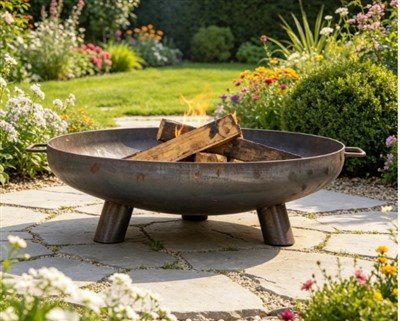
Cast Iron
Cast iron is a classic choice for fire bowls, and for good reason. Renowned for its exceptional durability, it can withstand high temperatures without warping or cracking. This makes it ideal for long – term use, even in harsh weather conditions.
One of the main benefits of cast iron fire bowls is their excellent heat retention. Once heated, they continue to radiate warmth for an extended period, making them extremely efficient. They also distribute heat evenly, ensuring that everyone around the fire bowl enjoys a consistent level of comfort.
Cast iron has a rustic and traditional look that adds a touch of old – world charm to any setting. It can be finished with a variety of coatings, such as enamel, to enhance its appearance and protect it from rust. However, it’s important to note that cast iron is heavy, which can make it difficult to move around. Also, if not properly maintained, it can rust over time, especially in damp environments. To prevent rust, regular cleaning and a coat of protective paint may be necessary.
Steel
Steel is another popular material for fire bowls. It offers a great balance between strength and weight, making it more portable than cast iron. Steel fire bowls are often more affordable than their cast – iron counterparts, making them an attractive option for budget – conscious consumers.
Steel can be easily shaped into various designs, allowing for a wide range of styles and sizes. It can also be powder – coated to provide a durable and attractive finish. Powder – coating not only protects the steel from rust and corrosion but also comes in a variety of colors, giving you more customization options.
However, steel has a lower heat – retention capacity compared to cast iron. This means that it may cool down more quickly once the fire is extinguished. Additionally, steel can expand and contract significantly with temperature changes, which may cause some minor structural issues over time if not properly designed.
Copper
Copper fire bowls are known for their stunning aesthetic appeal. Copper develops a natural patina over time, which gives it a unique and beautiful aged look. This patina not only adds character but also provides a certain level of protection against corrosion.
Copper is an excellent conductor of heat, which means it heats up quickly and can transfer heat efficiently. This makes it a great option if you’re looking for a fire bowl that can provide warmth quickly.
On the downside, copper is a relatively soft metal, which means it can be easily dented or scratched. It also requires regular maintenance to keep its appearance. If you want to prevent the development of a patina, you’ll need to apply a protective coating and clean it regularly.
Stone
Stone fire bowls offer a natural and elegant look that can complement any outdoor landscape. They are often made from materials such as granite, marble, or soapstone. Stone is extremely durable and can withstand the elements, making it a long – lasting choice.
One of the main advantages of stone fire bowls is their high heat – resistance. They can handle intense heat without being damaged. Stone also has a large thermal mass, which means it can absorb and store heat, providing a steady source of warmth.
However, stone fire bowls are usually very heavy and difficult to move. They can also be quite expensive, especially if you choose a high – quality stone like marble. Additionally, stone may crack if it’s exposed to rapid temperature changes, such as pouring cold water on a hot fire bowl.
Concrete
Concrete fire bowls have gained popularity in recent years due to their affordability and versatility. Concrete can be molded into almost any shape and size, allowing for creative and unique designs. It can also be colored or textured to mimic the look of other materials, such as stone or wood.
Concrete is a durable material that can withstand the weight of a fire and the elements. It has a relatively high heat – resistance, and it retains heat well, ensuring a long – lasting source of warmth.
But concrete fire bowls can be prone to cracking if not properly made. The curing process is crucial, and if it’s not done correctly, the concrete may develop cracks over time. Also, concrete is heavy, which can make installation and transportation a challenge.
Ceramic
Ceramic fire bowls are known for their artistic and decorative appeal. They come in a wide range of colors, patterns, and designs, allowing you to find one that matches your personal style. Ceramic is a heat – resistant material, but it’s important to choose a high – quality ceramic that is specifically designed for use in fire bowls.
One of the advantages of ceramic fire bowls is that they are relatively lightweight compared to some other materials. This makes them easier to move around and place in different locations. However, ceramic is brittle and can break if dropped or hit with a hard object. It also has a lower heat – retention capacity compared to materials like cast iron or stone.
Choosing the Right Material for Your Fire Bowl
When choosing a fire bowl, the material you select will depend on several factors. Consider where you’ll be using the fire bowl. If it’s a permanent installation in a garden or patio and you’re not worried about moving it, materials like stone or concrete may be ideal. On the other hand, if you need a more portable option for camping or tailgating, steel or ceramic could be better choices.
Your budget is also an important consideration. Some materials, like copper and stone, tend to be more expensive, while steel and concrete are generally more affordable.
Aesthetic preferences should not be overlooked. If you prefer a traditional look, cast iron might be your best bet. For a modern and customizable option, powder – coated steel or colored concrete could be appealing.
As a fire bowl supplier, I’m here to help you make the right choice. We offer a wide range of fire bowls made from different materials, each carefully crafted to meet the highest standards of quality and design. Whether you’re looking for a small, portable fire bowl for a cozy gathering or a large, statement – making piece for your outdoor entertainment area, we have something to suit your needs.
Bird Spikes If you’re interested in learning more about our fire bowls, or if you’re ready to start the purchasing process, I encourage you to reach out to us. We’re happy to answer any questions you may have, provide detailed product information, and discuss your specific requirements. Our team of experts is dedicated to ensuring that you find the perfect fire bowl for your space and lifestyle.
References
- "The Art of Outdoor Fire Features" by Outdoor Living Press
- "Materials Science for Fire Applications" by Academic Publishing Group
- "Fire Bowl Design and Construction" by Home Improvement Library
Hebei Chuheng Trading Co., Ltd.
As one of the most professional fire bowl suppliers in China, our products have good reputation in the market. Please rest assured to buy discount fire bowl made in China here and get quotation from our factory. We also accept customized orders.
Address: Room 1803, Unit 2, Building No.17 Canglongfudi, No.295 DongGang Road, ShiJiaZhuang, HeBei, China.
E-mail: info@hbchuheng.com
WebSite: https://www.hbchuheng.com/
